
Accessories
Conch Piercing: Your Complete Guide to Healing and Style
A conch piercing can be a striking addition to your ear, but it requires careful consideration. This guide covers everything from the piercing process and pain to crucial aftercare and stylish jewellery options, ensuring a smooth healing journey.


Ever wondered if a statement ear piercing could transform your look? The conch piercing, nestled in the central cup of your ear, offers a unique blend of edgy and elegant. It’s a popular choice for those seeking to elevate their ear curation, but it comes with its own set of considerations, from the initial pain to the dedicated healing period.
Key Takeaways
- Conch piercings are located in the central ear cartilage and can be inner or outer, each offering distinct aesthetic appeal.
- Pain is subjective but generally described as a sharp, brief pinch followed by a dull ache, rating moderately compared to other cartilage piercings.
- Full healing takes 6–12 months, with diligent aftercare and an essential ‘downsizing’ of jewelry at the 6–8 week mark.
- High-quality, implant-grade titanium or gold is crucial for initial jewelry to minimize irritation and ensure proper healing.
- Proper aftercare involves consistent saline solution cleaning, avoiding touch, and careful attention to sleeping positions and hair care.
What Exactly is a Conch Piercing?
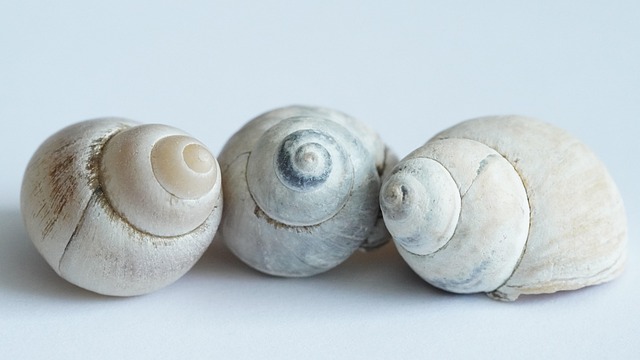
A conch piercing sits in the deepest, most central part of your ear’s cartilage, often referred to as the ‘concha’ or ‘conch shell’ due to its shape. This area is quite versatile, allowing for two primary types: the inner conch and the outer conch piercing. An inner conch piercing is placed in the lower, deeper cup of the ear, often adorned with a stud. The outer conch piercing, conversely, is positioned on the flatter, upper part of the concha, and can accommodate both studs and hoops once fully healed. Both offer a distinctive aesthetic, making them a focal point of any ear curation. The choice between an inner and outer conch often comes down to individual ear anatomy and desired jewelry style. Your piercer will assess your ear’s unique contours to recommend the best placement for both healing and visual impact.

Understanding the Conch Piercing Process
Getting a conch piercing begins with choosing a reputable, professional piercer. This is non-negotiable for any cartilage piercing, as expertise and sterile practices directly impact your safety and healing outcome. Look for studios that are clean, use single-use needles, and have piercers with excellent portfolios and certifications, such as those from the Association of Professional Piercers (APP). The piercer will mark the exact spot, and then use a sterilized, hollow needle to create the piercing. This method ensures a clean, precise hole that’s optimal for healing, unlike piercing guns which cause blunt force trauma and are unsuitable for cartilage. Immediately after, the initial jewelry is inserted, which is typically a longer stud (barbell) to accommodate for swelling. Before you even step into the studio, consider your long-term vision. Discuss jewelry options and future styling with your piercer during the consultation. This ensures the initial placement sets you up for success, whether you envision a delicate stud or a bold hoop.
The Pain Factor: What to Expect
The pain associated with a conch piercing is a common concern. While pain is inherently subjective, most individuals describe the initial piercing sensation as a sharp, brief pinch, followed by a dull pressure or ache. It’s often compared to other cartilage piercings like the helix or tragus, but typically rates moderately on the pain scale. The actual piercing itself is over quickly, usually within a few seconds. The more sustained discomfort comes in the hours and days immediately afterwards, as your ear swells and feels tender. This throbbing sensation can be managed with over-the-counter pain relief and proper aftercare. Expect a dull ache or sensitivity for the first few weeks, especially when touching the area or sleeping on it. Many find the anticipation of the pain worse than the actual experience. Remember, a quick, sharp pain is temporary for a lasting aesthetic.
Healing Your Conch Piercing: A Detailed Timeline
A conch piercing requires significant patience, as cartilage piercings have a longer healing time compared to earlobe piercings. The full healing process typically ranges from 6 to 12 months, or sometimes even longer, depending on individual body chemistry and diligent aftercare. During the initial phase (weeks 1-8), you’ll experience swelling, redness, and tenderness. It’s crucial not to touch or disturb the piercing. Around the 6-8 week mark, if swelling has subsided, your piercer will likely recommend ‘downsizing’ your jewelry. This means replacing the initial longer barbell with a shorter one that fits snugly against your ear. Downsizing is a critical step often overlooked in many guides. The initial long bar is essential to accommodate swelling, but once that subsides, a shorter bar prevents snagging, reduces pressure on the healing tissue, and minimizes irritation bumps. Skipping this can significantly prolong healing and lead to complications.
Essential Aftercare Practices for a Happy Piercing
Proper aftercare is the cornerstone of a successful conch piercing. The most critical rule is to keep your hands off! Avoid touching, twisting, or playing with your new piercing, as this introduces bacteria and causes irritation. Cleaning should be done twice daily using a sterile saline solution. You can purchase pre-mixed saline sprays or make your own by dissolving 1/4 teaspoon of noniodized sea salt in 250ml of warm distilled water. Gently spray or soak the piercing area, then pat dry with a clean, non-fibrous material like paper towel or gauze. Avoid harsh chemicals such as alcohol, hydrogen peroxide, or antibacterial soaps, as these can dry out the skin and damage delicate healing tissue. According to the Association of Professional Piercers (APP), saline solution is sufficient for most piercing aftercare, promoting a clean, moist environment for healing.
Navigating Life with a Healing Conch Piercing
Living with a healing conch piercing requires some practical adjustments to your daily routine. Sleeping is often the biggest challenge; sleeping directly on a new piercing can cause pain, swelling, and lead to irritation bumps. Invest in a travel pillow or a doughnut pillow to allow your ear to rest in the hole, keeping pressure off the piercing. Hair care also needs careful attention. When washing your hair, try to keep shampoo and conditioner away from the piercing. Rinse thoroughly to ensure no product residue is left behind. Be gentle when brushing or styling your hair, as snagging the jewelry can be incredibly painful and set back healing. Headphones and hats can also pose a problem. Over-ear headphones will likely put pressure on an inner conch piercing, so opt for earbuds or avoid headphones entirely during the initial healing phase. Similarly, be mindful of hats or headbands that might rub against the area. Practicing these small adjustments consistently makes a significant difference.
Choosing the Right Conch Jewelry
The initial jewelry for a conch piercing is almost always a straight barbell, typically made from implant-grade titanium or surgical stainless steel. These materials are biocompatible, meaning they are less likely to cause allergic reactions or irritation during the crucial healing period. Once your conch piercing is fully healed (after 6–12 months), a world of jewelry options opens up. You can choose from decorative studs, rings, or even delicate hoops that wrap around the outer conch. When selecting new jewelry, continue to prioritize high-quality materials like implant-grade titanium, 14k or 18k solid gold, or niobium. Consider the gauge (thickness) and diameter (for hoops) of your jewelry. Your piercer will use a specific gauge needle, and it’s essential to match this when changing jewelry to prevent stretching or shrinking the piercing hole. A good piercer can also help you select pieces that complement your ear anatomy and existing piercings.

Common Conch Piercing Problems and Solutions
Even with meticulous care, problems can arise with a conch piercing. The most common issues are irritation bumps (hypertrophic scarring), which are typically caused by trauma, pressure, or changing jewelry too soon. These often appear as small, red bumps near the piercing site. Solutions for irritation bumps usually involve identifying and eliminating the source of irritation. This could mean changing your sleeping habits, switching to a shorter bar (if not already downsized), or avoiding harsh cleaning products. Continue with saline solution soaks, and the bumps often subside over time. Infections are less common but more serious. Signs include severe pain, intense redness, significant swelling, warmth, and thick, discoloured discharge. If you suspect an infection, don’t remove the jewelry, as this can trap the infection. Instead, seek immediate medical attention from a doctor or consult your piercer, who may recommend a visit to your GP.
When Can You Change Your Conch Jewelry?
Patience is absolutely key when it comes to changing your conch jewelry. While you’ll likely downsize the initial barbell at 6-8 weeks, this is done by a professional and doesn’t mean the piercing is healed. You should only consider changing your jewelry yourself once the piercing is fully healed, which means no tenderness, swelling, redness, or discharge for an extended period, typically 6–12 months. Attempting to change jewelry before full healing can cause significant trauma, re-open the wound, introduce bacteria, and lead to irritation bumps or infection. It can even restart the entire healing process. For your first self-change, it’s often advisable to visit your piercer. They can confirm the piercing is ready, help you insert the new jewelry safely, and ensure it fits correctly. This professional guidance minimizes risks and provides peace of mind.
Styling Your Conch Piercing: Creative Combinations
Once your conch piercing is fully healed, it becomes a fantastic canvas for creative self-expression. It can serve as a stunning anchor for an entire ear curation, complementing other piercings like the helix, tragus, or multiple lobe piercings. For a minimalist look, a simple, delicate stud in your conch can add a touch of sparkle. If you prefer a bolder statement, a decorative stud with intricate details or a small, snug-fitting hoop (for outer conch) can draw attention. Consider mixing metals – perhaps a silver conch stud with gold helix rings – for a modern, eclectic vibe. Experiment with different styles and sizes, but always ensure the jewelry is comfortable and doesn’t irritate your ear. The conch offers a unique central placement that can tie together diverse jewelry pieces across your ear, creating a cohesive and personalized aesthetic. For more on earlobe options, see.

Pros of a Conch Piercing
- Unique Aesthetic: Offers a distinctive, stylish look that stands out.
- Versatile Styling: Accommodates various jewelry types once healed (studs, hoops).
- Complements Other Piercings: Acts as a strong focal point for intricate ear curations.
- Relatively Low Visibility: Can be discreetly covered by hair if needed for professional settings.
Cons of a Conch Piercing
- Long Healing Time: Requires 6-12 months or more for full recovery, demanding patience.
- Potential for Pain/Discomfort: Moderate initial pain and ongoing tenderness during healing.
- Risk of Irritation Bumps: Prone to hypertrophic scarring from trauma or pressure.
- Challenging Aftercare: Requires careful attention to sleeping, hair care, and avoiding snagging.
Common Mistakes to Avoid with Your Conch Piercing
One of the biggest pitfalls for new conch piercing owners is impatience. Changing jewelry too soon, or rushing the healing process, almost guarantees complications. Always wait for the full healing period and, if unsure, consult your piercer. Another common mistake is neglecting proper hygiene. Touching the piercing with unwashed hands, using harsh chemicals, or failing to clean it regularly can lead to infection or severe irritation. Consistency with sterile saline solution is paramount. Lastly, many people underestimate the impact of physical trauma. Sleeping on your piercing, snagging it on clothing or hair, or even using ill-fitting headphones can cause significant setbacks. Being mindful of your daily habits is crucial for a smooth healing journey.
Expert Tips for a Smooth Conch Piercing Experience
To ensure the best possible experience with your conch piercing, focus on preparation and prevention. First, always choose a highly reputable and experienced piercer. Their skill and adherence to sterile practices are your strongest defense against complications. Invest in high-quality, implant-grade jewelry from the outset. While it might seem like a higher initial cost, superior materials like titanium reduce the risk of allergic reactions and promote faster, healthier healing. This is particularly important for a long-term commitment like a conch piercing. Listen to your body. If you notice persistent pain, excessive swelling, or unusual discharge, don’t hesitate to contact your piercer or a medical professional. Early intervention can prevent minor issues from escalating. For more on different ear piercings, explore.
Frequently Asked Questions
How long does a conch piercing take to heal?
A conch piercing typically takes 6 to 12 months to fully heal. This timeframe can vary based on individual body chemistry, diligent aftercare, and avoidance of irritation or trauma. Patience is crucial for a successful outcome.
Is a conch piercing very painful?
Most people describe the pain of a conch piercing as a sharp, brief pinch, followed by a dull ache for the first few days. It’s generally considered a moderate pain level among cartilage piercings, and the initial discomfort is over quickly.
What type of jewelry is best for a new conch piercing?
For a new conch piercing, implant-grade titanium or surgical stainless steel barbells are highly recommended. These materials are biocompatible, reducing the risk of allergic reactions and promoting optimal healing. The initial jewelry should be a stud (barbell) with extra length to allow for swelling.
Can I sleep on my new conch piercing?
No, it’s best to avoid sleeping on a new conch piercing. Sleeping on it can cause pressure, irritation, swelling, and lead to complications like irritation bumps. Using a travel pillow with a hole for your ear can help alleviate pressure.
How do I clean my conch piercing?
Clean your conch piercing twice daily with a sterile saline solution. Spray or soak the area gently, then pat dry with a clean paper towel. Avoid touching the piercing with unwashed hands and don’t use harsh chemicals like alcohol or hydrogen peroxide.
When can I change my conch jewelry to a hoop?
You should only change your conch jewelry to a hoop once the piercing is fully healed, which can take 6-12 months. Introducing a hoop too early can cause irritation, especially if the piercing is not completely stable. Always consult your piercer before making the first jewelry change.
Conclusion
Embracing a conch piercing is a journey that marries style with dedication. From understanding the initial process and managing pain to committing to rigorous aftercare and making mindful lifestyle adjustments, every step contributes to a beautiful, well-healed result. With patience and the right information, your conch piercing can become a cherished, long-lasting part of your personal style. Remember to always prioritize professional piercers and high-quality materials for the best experience. Information current as of August 2026; pricing and product details may change.
Related Articles
- Purple Shampoo: The Ultimate Guide to Cool Blonde Hair
- Stay Chic, Stay Dry: Your Guide to Fashionable Waterproof Boots
- Stand Oil: Why It's Not Always Your Best Artistic Ally




Accessories
Stocking Stuffers for Men: Thoughtful Finds for Every Guy
Stocking stuffers men genuinely appreciate go beyond the usual. Learn how to pick thoughtful, practical, and unique small gifts that truly delight him this season.

Why do so many stocking stuffers end up at the bottom of a drawer, forgotten by Boxing Day? Because the best stocking stuffers men actually appreciate aren’t random fillers; they’re small, thoughtful items that genuinely enhance his daily life or offer a touch of unexpected luxury. This year, let’s move beyond the novelty trinkets and focus on gifts that truly resonate. A common question asked is how to make those small, often overlooked gifts feel special. The secret lies in curation – selecting items that reflect his personality, address a small need, or provide a delightful, momentary indulgence he wouldn’t typically buy for himself. It’s about quality over quantity, and practicality infused with personality.
Key Takeaways
- Prioritise utility or luxury in miniature over generic novelty items for stocking stuffers men will use.
- Consider his hobbies and everyday carry essentials for highly personal and practical picks.
- Consumable gifts like gourmet treats or premium grooming samples are often well-received.
- Establish a budget for individual items to avoid overspending on small gifts.
- Presentation matters: even small gifts benefit from thoughtful wrapping or arrangement.
The Art of Thoughtful Stocking Stuffers for Men
Choosing truly thoughtful stocking stuffers for men involves a shift in perspective. Instead of seeing them as afterthoughts, view them as an opportunity to provide delightful surprises that are either highly practical or offer a small, indulgent treat. This approach ensures every item holds value, rather than becoming clutter. For instance, a premium lip balm from a brand like Kiel’s or Jack Black, often priced around £10-£15, might seem minor, but it’s a daily essential elevated. It’s a small upgrade he might not splurge on himself but will certainly use and appreciate every day. Think about what he uses regularly and how you can subtly upgrade it. Practically speaking, focus on items that fit comfortably in the stocking without needing to be forced. Miniatures of favourite products, specific tools for a hobby, or high-quality edibles are often perfect. These aren’t just fillers; they’re extensions of his lifestyle and interests.
Balancing Practicality with Personality in Small Gifts
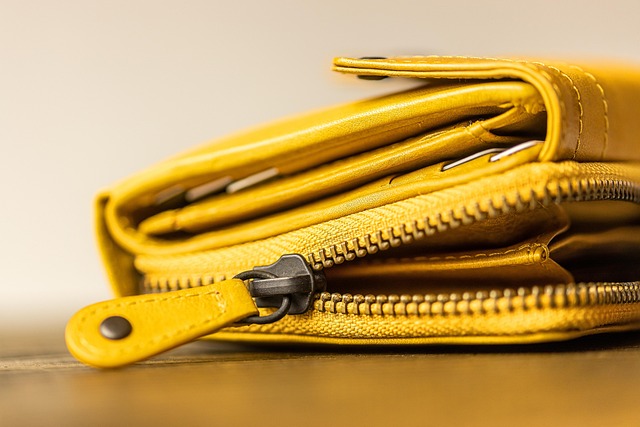
The best small gifts for men strike a balance between being genuinely useful and reflecting his unique character. A generic multi-tool is practical, but a multi-tool engraved with his initials, or one specifically designed for his preferred outdoor activity, shows you’ve considered his personality. What this means in practice: if he’s a coffee aficionado, don’t just grab any coffee. Seek out a single-origin coffee bean sample from a local roaster, or a unique coffee accessory like a mini frother or a travel-sized pour-over filter. This demonstrates an understanding of his passions and elevates the gift from generic to personal. One unique insight here is to consider his “everyday carry” (EDC) items. What does he always have on him? A sleek pen, a compact wallet, a keyring tool. Upgrading or adding to his EDC can be incredibly impactful. According to a 2025 survey by Men’s Journal, men prioritise utility and longevity in their everyday items, making thoughtful upgrades particularly valued.
Useful Stocking Stuffers for Him: Everyday Essentials
When thinking about useful stocking stuffers for him, consider items that he’ll reach for daily or weekly. These are the unsung heroes of a well-curated stocking, offering consistent value long after the holidays are over. From a different angle, grooming essentials are always a solid choice. Think high-quality shaving cream, a specialised beard oil, or a refreshing face wash in travel sizes. Brands like The Art of Shaving or Murdock London offer excellent small-format products that feel luxurious but are genuinely practical. These often retail between £15-£30. Another category of practical stocking stuffers for men includes small tech accessories or home office upgrades. A cable organizer, a premium phone stand, or a compact USB-C hub can significantly improve his daily routine. These items solve minor frustrations he might not even realise he has, making them surprisingly impactful.
Unique Stocking Fillers for Guys: Beyond the Basics
To truly stand out, explore unique stocking fillers for guys that go beyond the expected. This is where you can surprise him with something he didn’t know he needed or something that speaks directly to a niche interest. For example, consider a small, high-quality flashlight from a brand like Olight or Fenix. These aren’t just for emergencies; they’re incredibly useful for quick tasks around the house, finding dropped items in the car, or even for an evening stroll. They often fit perfectly into a stocking and offer substantial utility for their size. Another unique idea is experience-based consumables. Instead of just a chocolate bar, perhaps a miniature bottle of a premium craft spirit (if he enjoys cocktails), a single-serving gourmet hot chocolate mix, or a selection of exotic spices if he loves to cook. These offer a sensory experience rather than just a material item. For specific advice on choosing gourmet food items, explore.
Affordable and Luxury Stocking Stuffers for Men
Whether you’re working with a tight budget or looking to splurge on a small indulgence, there are excellent stocking stuffers for men at every price point. The key is to maximise perceived value, regardless of the actual cost. For affordable stocking stuffers for men, consider items under £15. High-quality socks (think cashmere blends or fun, stylish patterns), a good quality pen, a set of guitar picks, or a durable bottle opener are all fantastic choices. These items are frequently used and can be easily replaced, making them perpetually useful. On the luxury stocking fillers for men side, you might look at a designer key ring, a small leather cardholder, a sample-size cologne from a high-end brand like Creed or Tom Ford, or a single artisanal cigar. These items offer a touch of opulence without the full price tag of a main gift, creating a memorable moment of indulgence.

Curating the Perfect Stocking: A Buying Guide
To curate the perfect stocking, start by considering your recipient’s lifestyle and existing possessions. Avoid duplicates or items he already owns in abundance. Focus on filling gaps or upgrading everyday items.
- Identify his Hobbies & Interests: Does he love cycling? A mini puncture repair kit. Is he a gamer? A thumb grip set for his controller.
- Assess his Everyday Carry: What does he use daily? A new phone case, a sturdy charging cable, a compact multi-tool, or a quality pen.
- Consider Consumables: Gourmet coffee, craft beer, specialty snacks, or premium grooming samples are always appreciated as they get used up.
- Set a Budget per Item: Decide on a rough price range for each stocking stuffer, typically £5-£30 per item, to prevent overspending on small gifts.
- Think about ‘Miniature Luxuries’: Small versions of high-end items he wouldn’t typically buy himself, like a luxury hand cream or a specific artisan chocolate.
- Focus on Quality: Even for small items, choose well-made products that will last or provide a superior experience, rather than flimsy novelty items.
Stocking Stuffers by Recipient: Husband, Boyfriend, Dad
Tailoring stocking stuffers to the specific man in your life — be it a husband, boyfriend, or dad — adds an extra layer of thoughtfulness. While many items are universally appealing, some resonate more strongly depending on the relationship. For husbands, consider items that enhance shared experiences or his comfort at home. A subscription to a niche magazine, a high-quality coffee mug, or a small gadget for a hobby you share can be ideal. Stocking stuffers for husbands often lean towards long-term utility or comfort. Boyfriends might appreciate more trend-driven tech gadgets, stylish accessories, or items related to his passions, like a new gaming accessory or a collectible item related to his favourite band. Focus on playful yet practical items that reflect his current interests. For dads, nostalgia or practical items for his existing routines often win out. Think a classic pocket comb, a small tool for his workshop, a specific type of tea or coffee he enjoys, or a set of premium golf tees. Stocking stuffers for dads often celebrate his enduring hobbies or provide simple, reliable upgrades.

Comparison of Stocking Stuffer Categories
| Category | Typical Price Range | Key Benefit | Considerations |
|---|---|---|---|
| Grooming Essentials | £10 – £30 | Daily utility, self-care, luxury feel | Check his existing routine, skin type |
| Tech Gadgets & Acc. | £15 – £50 | Convenience, efficiency, novelty | Compatibility, his current tech, genuine need |
| Consumables (Gourmet) | £5 – £25 | Sensory delight, no clutter, experience | Dietary restrictions, preferences (coffee, snacks) |
| Practical Tools & EDC | £10 – £40 | Problem-solving, long-term utility, reliability | His existing tools, specific hobbies/needs |
| Apparel (Socks, Underwear) | £8 – £35 | Everyday necessity, comfort, style | His size, preferred materials, style |
Pros and Cons of Common Stocking Stuffers
Pros
- Small Tech Gadgets: Offer modern convenience and often solve minor daily annoyances.
- Gourmet Consumables: Provide a delightful sensory experience and don’t contribute to clutter.
- High-Quality Grooming: Elevates daily routines with luxurious, effective products he might not buy himself.
- Practical Tools: Offer genuine utility and can be used for years, making them a wise investment.
- Personalised Items: Show deep thoughtfulness and create lasting sentimental value.
Cons
- Small Tech Gadgets: Can quickly become obsolete or incompatible with his other devices.
- Gourmet Consumables: Can be pricey for a temporary enjoyment, and dietary restrictions need checking.
- High-Quality Grooming: Specific scents or formulations might not suit his personal preferences or skin type.
- Practical Tools: He may already own similar items, leading to duplicates or unused gifts.
- Personalised Items: Can sometimes take longer to arrive and may not be returnable if there’s an issue.
Common Mistakes to Avoid When Choosing
When selecting stocking stuffers men might receive, it’s easy to fall into certain traps that diminish the impact of your thoughtful intentions. Avoiding these pitfalls ensures your gifts are truly appreciated. One frequent mistake is overstuffing with cheap, generic items. While quantity might seem appealing, a stocking filled with flimsy novelty toys or low-quality chocolates often leads to immediate discard. Instead, focus on fewer, higher-quality items that offer genuine value. It’s better to have three excellent items than ten mediocre ones. Another common error is forgetting his actual hobbies or needs. Picking a golf-related item for a non-golfer, for example, misses the mark entirely. Take a moment to genuinely consider his current interests, even if they’ve changed recently. As of August 2026, many men are leaning into specific niche hobbies, making personalized choices even more impactful. Finally, neglecting the presentation can make even great items feel less special. A crumpled plastic bag of sweets looks far less appealing than a beautifully packaged artisanal chocolate bar. Even for small items, a little tissue paper or a small ribbon can elevate the experience. For more on thoughtful gift presentation, see.
Expert Tips for Winning Stocking Stuffers
Drawing from years of observing gifting trends, here are some expert tips to ensure your stocking stuffers men will genuinely love and use: The ‘Unexpected Utility’ Principle: Look for items that solve a small problem he didn’t realise he had, or provide a surprising boost to a routine. Think a premium cable tie, a mini stain remover stick, or a lens cleaning cloth for his glasses or screens. These small, thoughtful additions demonstrate an acute awareness of his daily life. Miniature Luxuries: Elevate everyday consumables or personal care items. A small bottle of a high-end hand cream, a single-serve packet of gourmet coffee from a renowned roaster, or a premium travel-sized cologne. These are indulgences he might skip for himself but will appreciate immensely. Consumables as Experience Enhancers: Instead of just sweets, consider items that contribute to an experience. A unique hot sauce for his cooking, a craft beer he hasn’t tried, or a small bag of specialty popcorn kernels. These provide enjoyment without adding clutter. Avoid overly sugary generic chocolates unless you know it’s a specific favourite.

Frequently Asked Questions
What are the best types of stocking stuffers for men?
The best stocking stuffers for men are typically practical, consumable, or miniature luxury items. Think high-quality grooming products, small tech accessories, gourmet snacks, or useful everyday carry items like a good pen or a compact multi-tool. Focus on items that align with his hobbies and daily needs.
How much should I spend on stocking stuffers for him?
Spending on stocking stuffers for him can vary widely, but a good rule of thumb is £5-£30 per item. The total budget for a stocking usually ranges from £50-£150, depending on the number of items and their quality. Prioritise thoughtful, useful gifts over expensive, flashy ones.
How can I make stocking stuffers more personal?
To make stocking stuffers more personal, consider his specific hobbies, favourite brands, or small daily annoyances you could solve. Opt for items in his preferred colours, or choose consumables he genuinely enjoys. Personalization through engraving or monogramming also adds a special touch for items like keyrings or small leather goods.
Are socks and underwear good stocking stuffers for men?
Yes, socks and underwear can be excellent stocking stuffers for men, provided they are high-quality and chosen with care. Look for premium materials like merino wool or bamboo, or choose fun, quirky patterns that reflect his personality. Avoid basic, everyday multipacks and instead opt for a few pairs of elevated essentials.
What are some unique, non-generic stocking stuffer ideas for men?
Unique, non-generic stocking stuffer ideas for men include specific hobby-related accessories (e.g., guitar capo, fishing lure), miniature bottles of craft spirits or gourmet hot sauces, compact first aid kits, or a subscription to a niche magazine. These items show you’ve put thought into his individual interests.
Should stocking stuffers be practical or fun?
The best stocking stuffers for men often blend practicality with a touch of fun or luxury. While a humorous item can be enjoyable, ensure it also has some utility or is a consumable that won’t become clutter. A balance ensures he receives items he’ll use and enjoy, rather than just a fleeting laugh.
When is the best time to start buying stocking stuffers?
The best time to start buying stocking stuffers is often in late October or early November. Stocking stuffers men allows you to spread out the cost, take advantage of early sales, and find more unique items before they sell out. Procrastinating until mid-December often leads to rushed, less thoughtful purchases. Information current as of August 2026; pricing and product details may change.





Taming the Tresses: Your Expert Guide to Shampoo for Oily Greasy Hair

Beyond the Strip: Your Strategic Guide to Clarifying Shampoo

Conch Piercing: Your Complete Guide to Healing and Style

Blue Ombre Nails: Mastering the Gradient Manicure Trend

Sabrina Carpenter’s Rolling Stone Cover: A Style &

Optimising Your Complexion: The Power of PCA Skin Toner
-
 Style Tips & How-To1 month ago
Blue Ombre Nails: Mastering the Gradient Manicure Trend
-
 Street Style & Celebrity Looks1 month ago
Sabrina Carpenter’s Rolling Stone Cover: A Style &
-
 Style Tips & How-To2 months ago
Optimising Your Complexion: The Power of PCA Skin Toner
-

 Designer & Luxury1 month ago
Shopping in Rome: Your Stylish Guide to Italian Finds
-

 Street Style & Celebrity Looks1 month ago
Taylor Swift & Blake Lively: A Masterclass in Enduring Friendship
-

 Outfit Ideas & Lookbooks2 months ago
Black Micro Shorts: Elevating Your Summer Style
-

 Style Tips & How-To1 month ago
Body Wave Perm: Everything You Need for Perfect Waves
-

 Style Tips & How-To1 month ago
Stand Oil: Why It’s Not Always Your Best Artistic Ally